
How Do I Calculate the Replacement Cost of My Home?
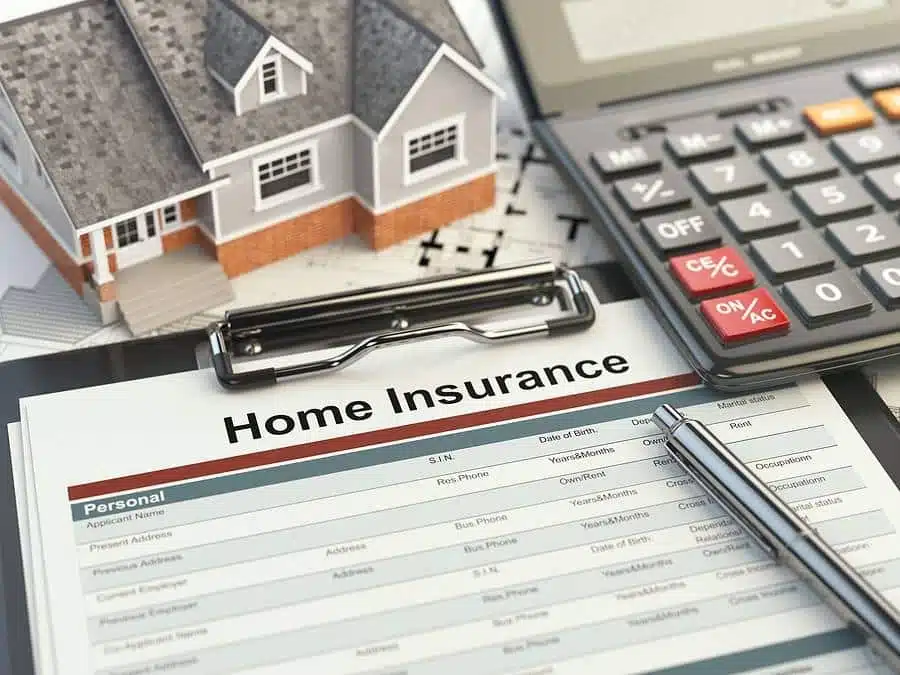
When it comes to insuring your home, you need to think in terms of replacement cost, not market value. Replacement cost reflects the amount required to rebuild your home, as it stands today, with similar materials and features. Market value, on the other hand, refers to the amount your home could sell for in the current market, influenced by factors such as land and location.
Your home insurance policy should restore your home to its pre-claim condition in the event of a total loss. If your replacement cost is too low, you risk being underinsured, which can lead to a coinsurance penalty. This is why insurance companies ask so many questions when you request a policy quote: an accurate property valuation is critical, particularly in New York City, where construction costs are among the highest in the nation.
Why Replacement Cost Changes Constantly
A home’s replacement cost isn’t a fixed figure, for several reasons. The costs associated with labor and construction materials rise and fall, and in recent years, these costs have mainly gone up. Beyond market fluctuations for materials, such as lumber, steel and copper, labor costs can skyrocket when skilled workers are scarce due to high demand, as in the aftermath of a natural disaster. For historic properties like brownstones, the number of skilled craftsmen who can restore 19th-century architectural details is limited even at the best of times.
In recent years, supply chain disruptions, inflation, and natural disasters have all contributed to higher—and more volatile—replacement costs.
How Insurers Determine Replacement Cost
Just as every property is unique, so is replacement cost. Two side-by-side brownstones might look similar, but the specifics of each home may result in widely disparate replacement cost estimates. Naturally, square footage and the number of stories directly influence the cost to rebuild, as does the construction type. And properties with special features, like fireplaces, custom woodwork, and high-end materials, influence replacement cost.
Additionally, replacement costs vary by location. Building in the five boroughs, especially Manhattan and Brooklyn, is typically more expensive than in the surrounding counties.
Insurance companies use software to calculate replacement costs, which apply the current rates for labor and materials in the local market. Of course, these estimates are only as accurate as the information provided by the homeowner regarding square footage, construction materials, etc.
Ways to Estimate Your Home Replacement Cost
Homeowners have several options for calculating the replacement cost of their residences.
- DIY estimate. A bit of online research should turn up rough estimates for the local cost per square foot, with different tiers based on the construction materials. Premium materials like solid hardwood and stone counters cost more to replace than vinyl flooring and laminate. Multiply this number by the square footage of the home. This approach offers a starting point, but it won’t be as accurate as the options below.
- Professional appraisal. The most accurate method of determining replacement cost is to hire a professional appraiser who knows the local ordinances and construction costs. This person performs an on-site home inspection and bases the appraisal on the actual materials and condition of the house.
- Insurer appraisal. Home insurance companies calculate a home’s replacement cost using specialized software, which is continuously updated to reflect the current construction costs for each area. Accuracy depends on the information provided to the insurer. (Note: Online replacement cost calculators typically send home details to insurance partners, who generate estimates on the available information.)
How City Building Owners Insurance Helps Homeowners
Since 1976, the insurance professionals at City Building Owners Insurance Program have specialized in matching New York City homeowners with customized coverage for their specific needs. Stu Cohen and his team get to know the people as well as the properties. Understanding the unique situation of each customer makes them invaluable partners in helping homeowners find the policy that offers the best protection and value.
Do you have the right insurance coverage for your home? Contact us at 877-576-5200 or request a free, no-obligation insurance review to find out.
