
Fall Maintenance Checklist: 16 Tasks to Prepare Your Home for Winter
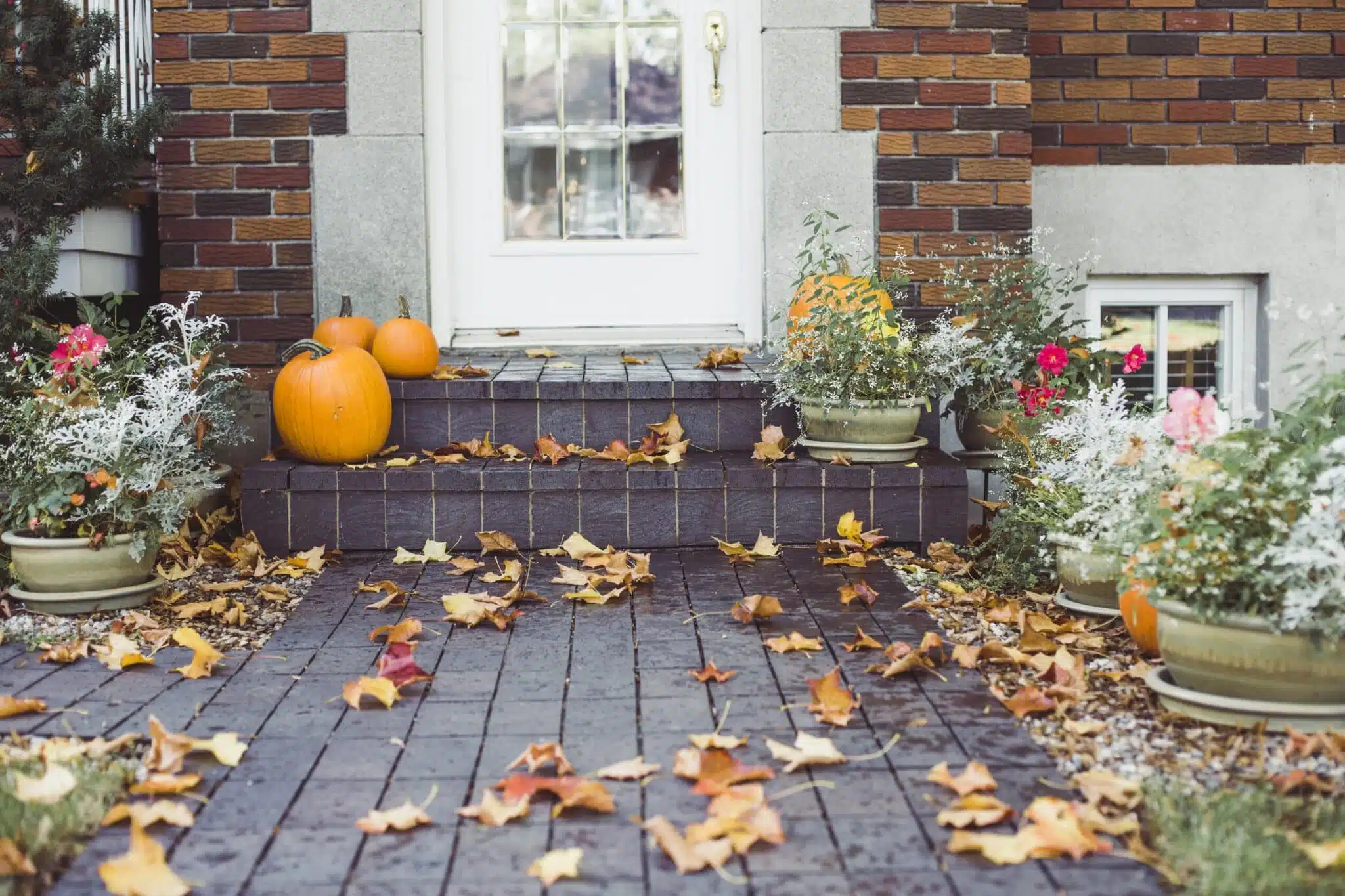
Autumn has arrived here in the Northeast. Spending a day or two this fall on a few annual maintenance tasks can help prevent common winter emergencies like home heating system breakdowns, roof leaks, and burst pipes.
Complete these 16 routine tasks to make sure your home stays safe and comfortable this winter.
1. Check Smoke Alarms & Carbon Monoxide Detectors
Test every smoke and carbon monoxide alarm in your home to make sure it’s working properly. The U.S. Consumer Product Safety Commission recommends testing alarms monthly and replacing batteries at least once a year unless the alarm has a sealed, 10-year battery. Replace smoke alarms every 10 years or according to the manufacturer’s instructions. For carbon monoxide alarms, follow the manufacturer’s recommended replacement schedule or replace the unit when its end-of-life signal sounds.
2. Clean Your Gutters & Downspouts
When gutters and downspouts are clogged in fall and winter, water can overflow and soak into the foundation, causing damage as the water freezes and expands. Excess moisture lingering near the roof also encourages mold growth in the attic and invites pests to move in.
There are several ways to clean your gutters safely, such as scooping out debris by hand, using a long tool to displace the gunk from ground level, or hiring a professional to do it for you.
TIP: If you decide to remove debris by hand, follow the instructions in task #7 to inspect the roof while you’re up on the ladder.
3. Schedule a Heating System Tune-up
Scheduling an annual heating maintenance appointment in the fall can help prevent unexpected breakdowns this season and extend the lifespan of your equipment.
The technician will replace the air filter, clean and inspect the burners, check electrical and gas line connections, and more. This will help your system operate more efficiently, which can lead to lower energy bills and fewer repairs.
4. Plan for Air Filter Replacement
Air filters help heating systems operate efficiently and maintain good indoor air quality. Check your filter regularly during heating season, and replace it according to the manufacturer’s recommendations. Homes with pets, smokers or high levels of dust may need more frequent filter changes.
While you’re at it, make sure you have the correct replacement filter on hand before colder weather arrives.
5. Store Lawn Tools & Furniture
It’s time to put away tools and furniture that could get damaged or create a hazard when covered in snow. Clean and stow your lawn mower, move gardening tools and seating to a shed or garage, and remove your hose from the hose bib.
6. Drain Your Sprinkler System & Insulate Outdoor Plumbing
Shut off the water supply for sprinklers and follow the instructions in the owner’s manual to drain the water from the system. Then, cover outdoor spigots and exposed pipes with insulation.
7. Inspect Your Roof & Interior Ceilings for Signs of Water Damage
Walk around your property and do the following:
Inside. Scan the ceiling and walls for water stains or bubbling drywall in each room.
Outside. Stand at ground level and do a quick inspection of the roof. Look for lichen growth, missing or sagging shingles, and visible holes. You can also complete this step while standing on a ladder, but it’s not necessary. (NOTE: Never crawl or stand on your roof unless you’re a licensed roofing professional.)
If you notice anything unusual, you may have roof damage or a plumbing issue that will need to be repaired as soon as possible.
TIP: Schedule a professional roof inspection if it’s been more than four years since your last inspection.
8. Seal Air Leaks to Improve Your Home’s Energy Efficiency
Purchase weatherstripping, caulk or sealant and use it to seal any gaps or cracks around windows and doors that lead outside. Sealing air leaks can reduce heating and cooling costs while making your home more comfortable.
If you’re thinking about replacing your windows, consider installing low-e (low emissivity) storm windows to improve your home’s energy efficiency.
9. Review Your Fire Safety Plan
Make sure everyone in your household knows what to do if a fire occurs. Identify two ways out of every room, make sure doors and windows along escape routes open easily, and choose a designated meeting place outside your home.
Practice your escape plan with everyone in the household at least twice a year so everyone knows how to get out quickly and where to meet.
10. Make Sure Your Drainage Directs Water Away from the Foundation
Downspouts should empty into a drainage area that slopes away from your home. If you see remnants of dirt or soil pressed against the siding, it’s a sign that water has been pooling near your home’s foundation and will need to be redirected.
11. Remove Loose Tree Branches
Large branches that hang over your roof are dangerous because they could cause significant damage when weighed down with ice and snow. Even smaller branches can be dangerous because they can form bridges for critters seeking shelter in your attic. Remove any loose tree branches that could fall on your roof to be safe.
12. Inspect Your Fireplace
If you use a fireplace or wood stove, have the fireplace, chimney, flue, and vents professionally inspected each year. Cracks, blockages, and creosote buildup can increase fire risk or allow dangerous gases to enter your home.
Have any needed cleaning or repairs completed before you begin using the fireplace regularly for the season.
13. Gather Cold Weather Supplies
Find your shovel and deicing materials and prepare them for routine use. Stock up on these supplies if you’re running low.
14. Clean the Windows
Fall is a great time to remove the pollen and grime that accumulate on windows during the summer, especially if they’re still coated from the previous spring. Instead of grabbing traditional glass cleaner and a roll of paper towels, try applying a solution of water and dishwashing liquid (just a few drops should do the trick) with a sponge, and use a squeegee to dry the glass.
15. Inspect and Repair Driveways, Walkways
Check walkways, driveways and steps for hazards, such as uneven surfaces or loose railings. Fill any cracks wider than 1/8 of an inch, which can require expensive repairs after several cycles of expansion and contraction due to freezing temperatures.
16. Flush the Water Heater
If it’s been over a year since you flushed your water heater and checked the pressure valves, take care of it now before your water heater sees more consistent use. Schedule a maintenance appointment if you notice anything unusual or prefer a professional to flush your water heater for you.
If you have any questions about homeowners insurance or your current insurance policy, or if you would like a free insurance review, please call us at 877-576-5200.
