
Enjoy the Outdoors with These Summer Safety Tips
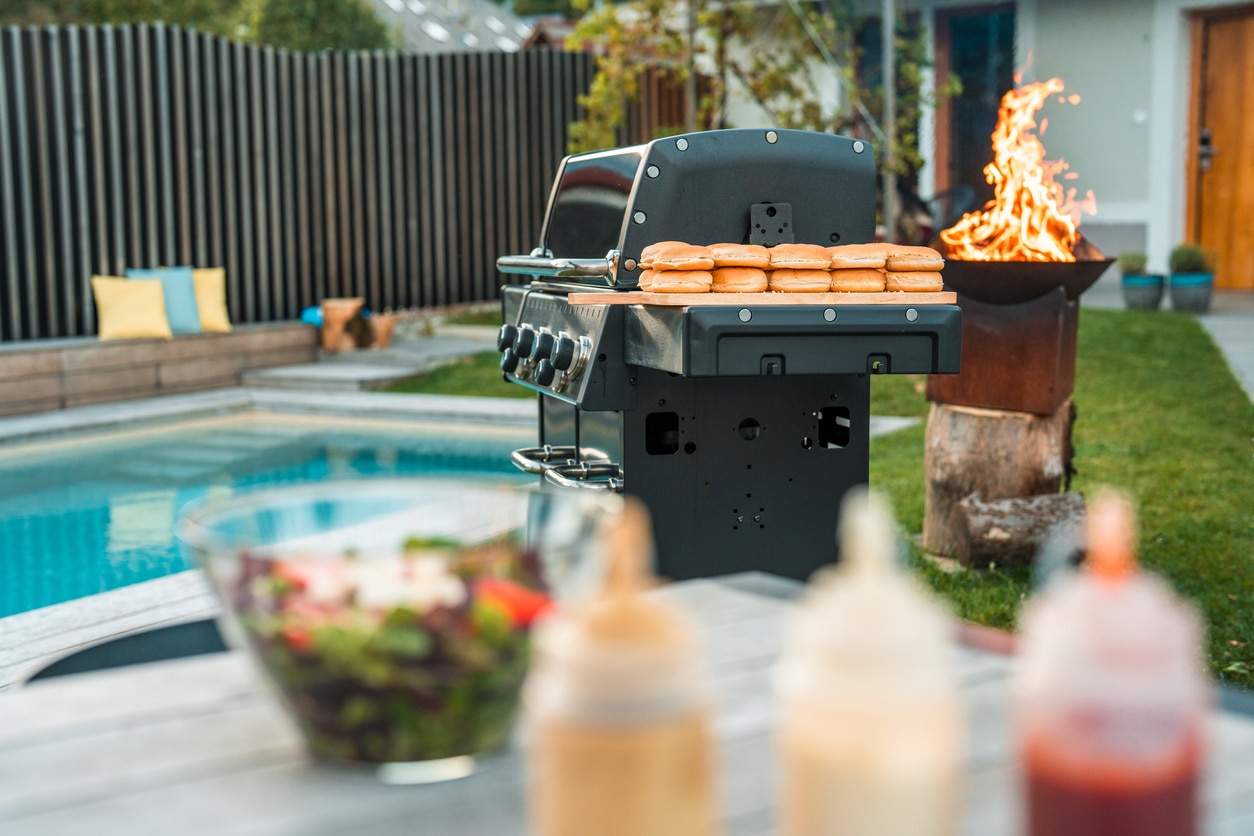
With kids out of school and sunshine (usually) in abundance, the summer months are the perfect time to enjoy the outdoors. As the song says, the living may be easy, but accidents can happen at any time. With just a bit of planning, you can keep your family and friends safe and make wonderful summer memories.
Certain decisions may also reduce your homeowners insurance rates. That pool, playground equipment, or koi pond might make your home more fun, but it can also raise your liability. The industry calls these attractive nuisances, and installing them with an eye toward safety can have a significant effect on your insurance.
To keep your outdoor activities as carefree as the season, follow these safety tips.
How Can I Make My Pool Safer?
Pools offer fun, especially on a hot day. But they can also be deadly. More than 4,000 people drown every year, and drowning is the leading cause of death for children ages 1-4. New York City offers free swim lessons for children and adults.
Keep the fun going and avoid potential tragedy by following these tips:
- Inspect the fence around your pool. If you own a pool, you probably had to construct a fence that meets certain standards set by local ordinances and your homeowners insurance provider. Now’s a good time to ensure that curious children can’t open the fence. Also, confirm that the self-latching and self-closing mechanisms work properly. Government regulations and insurance companies do not consider a fenced yard equivalent to a fence around a pool.
- Think about where you place your furniture. Furniture placed near a fence, such as a picnic bench, could tempt a child to climb over it. Lightweight furniture that a child can easily drag and use to climb over a fence can also be dangerous.
- Consider installing a pool alarm. These alarms alert parents or caregivers when someone (including a small child) enters or approaches the pool. A floating alarm can also alert you if anyone or anything lands in the water. New York state requires any pool built or substantially modified after December 14, 2006, to have an approved pool alarm.
- Keep rescue equipment nearby. Place life preservers, throw rings or rescue poles on a nearby fence so that they are easily visible and can be accessed quickly in an emergency. Make sure family members know how to use them.
- Store pool toys after use. Scattered toys can turn an otherwise secure and safe pool area into a hazard for children, making it an attractive nuisance that draws them near the pool.
- Ensure that all drains are equipped with drain covers that meet safety standards. Malfunctioning, loose, or missing drain covers can create a powerful suction that can trap and drown children or other non-agile swimmers.
- Store pool chemicals in a secure area. The storage area should have a high shelf or a locked door to keep these substances out of children’s reach.
How Can I Make My Grill and Fire Pit Safer?
Grilling is a great way to eat well, enjoy lazy summer days, and avoid heating up the kitchen. Hanging out by fire pits, with or without s’mores, has also become popular in recent years. To keep family members and guests safe around an open flame or fuel source, agree to these safety rules ahead of time.
Best Practices for Outdoor Fire Safety
Follow these general outdoor fire safety rules:
- Keep your grill or fire pit at least 10 feet away from any structure, including your home
- Position the grill or fire pit in a well-ventilated area
- Keep a fire extinguisher, hose, water barrel or sand nearby
- Never leave an operational grill or fire pit unattended
Best Practices for Grill Safety
If you enjoy grilling, keep the following precautions in mind:
- Wear protection on your hands as you season or place food
- Avoid garments with loose, hanging sleeves or shirt tails; tie apron strings in the back
- Control flames by keeping a spray bottle filled with water handy
- Clean the grill after every use to avoid grease build-up, which can catch fire
For grills that use propane or natural gas, secure all the connection points. Visually inspect the gas hose for abrasion and wear. Also, check for leaks by spraying the hose with a soap and water solution and turning on the gas. Bubbles indicate a leak. After grilling, double-check that the gas is turned off.
While homeowner insurance policies typically cover injuries and property damage, it’s always better to prevent accidents in the first place. Keep in mind that homeowners’ insurance policies limit the amount of liability they cover. A serious injury or death can exceed what a policy will pay. An umbrella policy with additional coverage can offer inexpensive peace of mind.
How Can I Protect Against Ticks?
Already, the 2026 tick season is shaping up to be one of the worst on record here in the Northeast, with more tick-related visits to emergency rooms than ever before. The Centers for Disease Control and Prevention (CDC) projects that diagnosed Lyme disease cases could surpass 500,000 in 2026, a record high. Even if you stay in your backyard and avoid hiking trails, you should still take precautions:
- Avoid wooded areas with leaf litter.
- Mow tall grass that can create a tick habitat.
- Use insect repellent and/or treat clothing.
- Check family members, pets and yourself when you come inside.
- Shower soon after coming inside.
- Wash clothing and dry on high heat, which kills ticks.
- Keep long-haired pets well-trimmed to protect them from ticks and high temperatures.
- Consult a medical professional for any unexplained fever or rash.
If you’re planning to add a pool, spa, built-in grill, or other major outdoor project, or if you would like a free insurance review, please call us at 877-576-5200.
