
Fall Maintenance Checklist for NYC Area Landlords
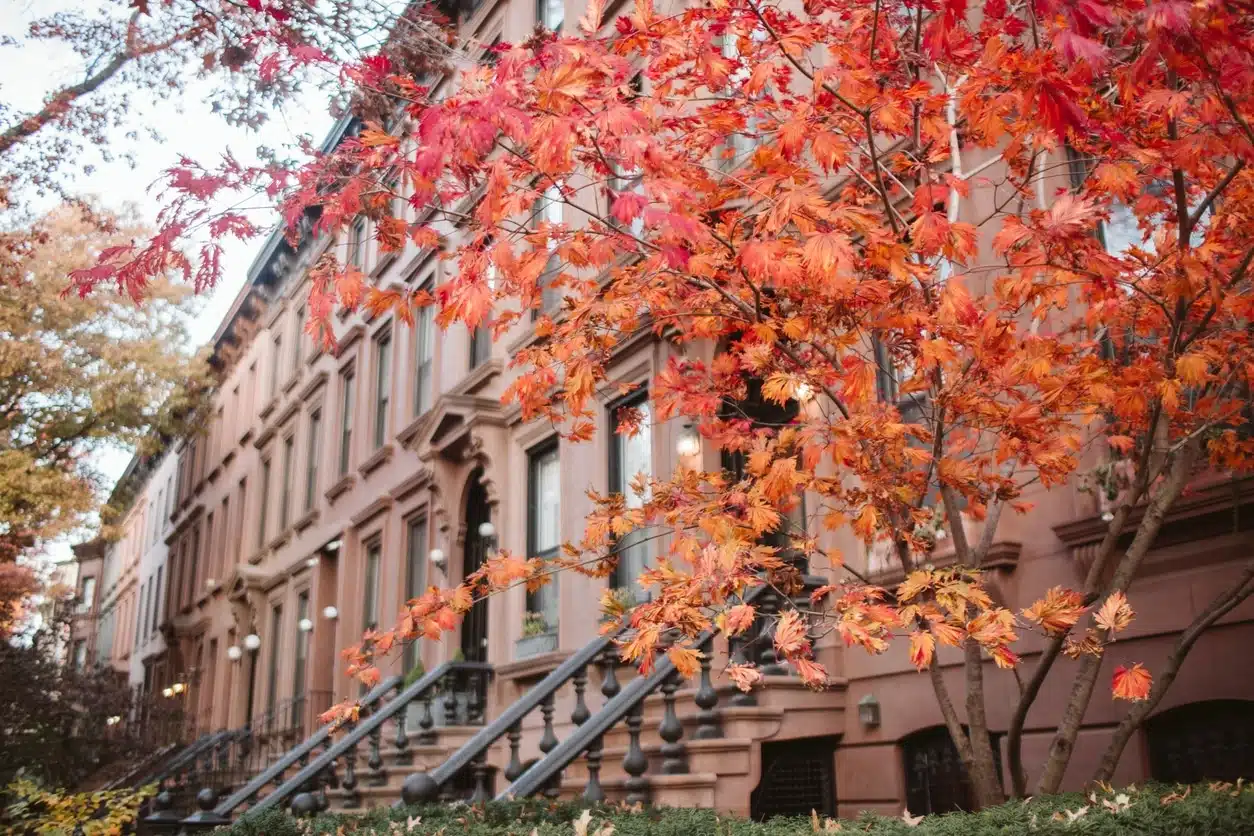
Cooler temperatures and brightly colored foliage herald the arrival of fall here in the New York City area. In addition to clearing leaves from gutters and drains, building owners should inspect their properties inside and out to ensure they can weather the cold months ahead. Staying on top of preventive maintenance can help reduce your building’s energy costs and extend the life of your property and its essential systems.
This year, landlords also have several important New York City requirements to keep on their radar, including new trash containerization enforcement, steam radiator inspection rules, and an approaching deadline for natural gas detectors.
Take advantage of the cool weather to tackle the following tasks—and make sure your building is ready for both winter and the latest city requirements.
Important Updates for NYC Landlords in 2026
Several New York City property requirements have changed—or are about to change—since last fall. As you prepare your building for colder weather, pay close attention to new NYC Bin enforcement, steam radiator inspection requirements, and the upcoming deadline for installing natural gas detectors in buildings where required.
- Use official NYC Bins for trash. New York City properties with 1-9 residential units are required to use official NYC Bins for trash collection. After an initial grace period, the Department of Sanitation started issuing $50 fines for noncompliance in September 2026.
- Comply with new steam radiator inspection requirements. Owners of buildings with three or more residential units and steam heat must now have steam radiators inspected at least once every two years in common areas and apartments where a child under age six resides. Beginning in January 2027, owners must also provide tenants with an annual notice asking whether a child under six lives in the unit.
- Prepare for the natural gas detector deadline. By January 1, 2027, owners of New York City multiple dwellings (3+ units) and non-owner-occupied one- and two-family homes with gas piping must install approved, operational natural gas detectors. Review the requirements now to make sure you have compliant devices installed before the deadline.
Interior Fall Maintenance Checklist
- Walk through interior spaces to check for water damage on the walls and ceilings. Look for bubbling drywall, water stains and cracks. Schedule leak detection and repair services as needed to ensure your building’s plumbing is in good condition. New cracks could signal potential foundation issues.
- Hire a qualified professional to inspect and clean chimneys, fireplaces, exterior vents and flues. Removing blockages and buildup can help reduce fire and carbon monoxide risks.
- Prepare your indoor piping for cold weather. Hire a plumber to insulate indoor pipes that are exposed to the elements, such as pipes that lead outdoors or are installed next to exterior walls.
- Place protective mats in front of each entrance. Visitors and tenants will soon be tracking in snow, ice and de-icing materials. Prevent falls and protect your flooring by placing sturdy mats in front of each entrance.
- Create freeze warning signs, flyers or digital notifications. Prepare any signage you plan to use to notify tenants of hard freezes or severe weather so it’s ready when needed.
- Clean dryer vents. In addition to keeping lint traps clear, regularly removing lint from the dryer vents in your building’s laundry facilities reduces the risk of a fire. Clean vents also prolong the life of the dryer while drying clothes efficiently.
- Consider scheduling an insulation inspection. You may be able to reduce your building’s energy costs by upgrading insulation in areas where old insulation has deteriorated.
Essential Systems & Emergency Planning Checklist
- Schedule a heating system tune-up and check air filters. Routine maintenance can identify problems before they lead to emergency repairs. Check filters regularly during heating season, and replace them according to the manufacturer’s recommendations. Building owners in New York City should keep in mind that “heat season” starts October 1.
- Prepare outdoor AC equipment for winter. Remove leaves and debris around outdoor units, and follow the manufacturer’s recommendations for winterizing or protecting equipment.
- Service boilers and water-heating equipment. Have heating and hot water systems inspected and serviced before colder weather arrives. Make sure equipment is clean, operating properly, and ready to meet increased winter demand. Address any needed repairs before they become emergencies.
- Test your building’s smoke alarms and carbon monoxide detectors. Ensure your tenants have time to evacuate in an emergency by testing your building’s smoke alarm system. Check your facility’s carbon monoxide detectors, and install new ones in recently renovated areas.
- Review your building’s fire safety plan. Remove any clutter or décor blocking emergency exits or pathways marked on your building’s fire escape plan. Distribute fire safety materials and post signs according to city requirements.
- Inspect all fire extinguishers. Look for signs of corrosion on the cylinder, and check that the contents are still pressurized (the needle should be “in the green”).
- Test emergency lighting. Required emergency lighting should receive a monthly activation test of at least 30 seconds. Battery-powered emergency lighting must also undergo an annual 90-minute power test by a qualified person.
Exterior Fall Maintenance Checklist
- Inspect trees and trim landscaping plants. Winter storms, particularly those with snow and ice, can break branches and bring down trees. Consider hiring a professional tree service to evaluate trees on your property and remove any dead or diseased trees or branches. Now is also a good time to trim back shrubs and decorative grasses.
- Clean gutters and downspouts, and keep them clean throughout the season. You can avoid ice dams and other issues by regularly removing leaves and twigs from your building’s gutters and downspouts.
- Inspect your roof. Look for loose shingles or flashing, and check for gaps around vents that could allow snowmelt to seep into the building. If you have a flat roof, remove any equipment stowed there.
- Seal cracks around doors and windows, and patch holes in the building’s exterior. Replace last year’s weatherstripping, and look for gaps in the façade that have appeared since last year. If you plan to replace the windows soon, consider installing low-e storm windows to help reduce energy costs.
- Drain and insulate outdoor plumbing. Prevent hose bibs and spigots from freezing by draining them of water and covering them with insulation material. Seal away crawl space vents to avoid frozen pipes.
- Make sure your drainage directs water away from your building’s foundation. Erosion can sometimes displace a sloped drainage slab and direct water into the ground near the foundation. Inspect the soil beneath downspouts for signs of pooling water.
Landscaping & Walkways Checklist
- Prepare your sprinkler system for winter. Drain the system, shut off its water supply, and insulate the valves and backflow preventer.
- Remove loose tree branches. Hire a landscaping crew to cut down any loose branches hovering over the roof, big and small.
- Inspect sidewalks and walkways for potential violations. As a property owner, you’re responsible for maintaining the sidewalks adjacent to your building. Look for uneven pavement, cracks and chips, settlements that cause water to pool, and slopes created by tree roots. You might be eligible for assistance from the city to make sidewalk repairs. Also, walk around all outdoor pathways on your property and keep an eye out for loose nails, sagging stairs, broken handrails, etc. Repair these hazards now, or rope them off, before they’re coated in ice and snow.
- Plan for timely snow removal. Gather tools and supplies now to remove snow and ice before city deadlines. If you plan on hiring a service, make the arrangements so everything will be prepared in time for the first heavy snowfall.
If you have any questions about landlord insurance, or if you would like a free insurance review, call us at 877-576-5200.