
How to Protect Yourself When Insuring a Brownstone You Live in and Rent Out
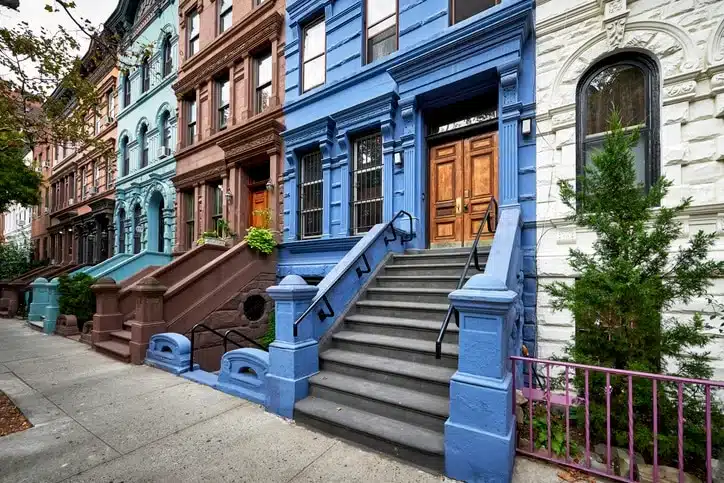
An owner-occupied multifamily brownstone has more than one residential unit, and the owner lives in at least one. This article focuses on owners who rent out one or more of the other units. That makes the owner both a homeowner and a landlord, and the insurance policy must account for both roles.
Problems arise when the policy no longer matches how the building is used. A finished basement may have become a separate apartment. A ground-floor business may have changed since the policy was written. A search of the property records may uncover open violations—sometimes dating back decades—that the current owner didn’t know existed.
Here is what owners should know about insuring a New York City brownstone or townhouse when they live in the building and rent out part of it.
Does an Owner-Occupied Brownstone Need Homeowners or Landlord Insurance?
Usually, it isn’t a simple either-or choice. A brownstone used only as the owner’s home presents one type of risk. Once the owner rents out one or more apartments, the insurance company must also consider the number of units, how they are occupied, the rental income, and the owner’s responsibilities as a landlord.
The first step is to describe the building accurately. If the policy identifies a two-family, owner-occupied brownstone, but an inspector finds that the finished basement serves as a third apartment, the insurer sees a different risk from the one it agreed to cover.
The same principle applies when ownership or occupancy changes. Transferring the deed to a trust or corporation, renting a previously owner-occupied unit or bringing in a new commercial tenant may require an endorsement, a rewritten policy or a different insurance company.
What a Standard Homeowners Policy May Leave Exposed When You Rent Out Units
A homeowners policy primarily protects the owner’s residence, belongings and personal liability. When the same brownstone also contains rental apartments, the owner is a landlord as well as a resident. This situation introduces financial and liability exposures that may not be fully addressed by a standard homeowners policy.
Not every homeowners policy excludes rental occupancy. Some insurance companies will insure certain owner-occupied, multi-unit buildings on a homeowners form. However, the company needs to know how many units the building contains, which units are rented, and how the property is being used.
Rental apartments introduce concerns that don’t exist in a single-family home. A covered loss may displace tenants and stop the rental income the owner depends on. Tenants, their guests and delivery workers increase activity in common areas. The owner may also keep appliances, maintenance equipment and other property in the building.
An owner-occupied brownstone with rental units needs to be reviewed as both a home and a rental property. Three areas deserve particular attention: lost rental income, liability arising from tenant occupancy, and the types of property kept in the building.
Loss of rental income after a covered claim
If a fire, major water leak or another covered event makes a rental apartment uninhabitable, the owner may lose rent while repairs are underway. The mortgage, property taxes, insurance and other building expenses continue even when the tenants can’t remain in the apartment.
A homeowners policy may provide additional living expenses if the owner’s portion becomes uninhabitable. That part of the coverage addresses the owner’s added living costs, not the rent lost from tenant units. Depending on the policy, rental-income protection may be described as fair rental value, Loss of Rents or business income coverage.
Liability arising from tenant occupancy
An owner who lives in the brownstone already needs personal liability protection. Renting out apartments adds another layer of exposure because the owner must also maintain the portions of the property used by tenants and their guests.
Owners should confirm that their liability coverage applies to all rented units and common areas. They should also review whether the policy limits match their liability exposures and the assets they want to protect. An umbrella policy may provide additional protection above the underlying liability limit, subject to its own requirements and exclusions.
Personal property owned by the landlord and the tenants
An owner-occupied brownstone may contain several categories of personal property. The owner and their family have household belongings. The owner may also provide appliances, laundry equipment, tools, maintenance supplies, or furnishings for the rental units and common areas. Tenants have their own belongings.
The policy should distinguish between the owner’s household property and items used to operate or maintain the rental portion of the building. These categories may have different limits or coverage requirements, depending on how the insurance is structured. The building owner’s policy does not cover the tenants’ belongings.
Ownership of the brownstone matters as well. If a trust, LLC or another legal entity owns the building, the owner-occupant may need a separate renters policy to protect their household belongings and personal liability. The building policy protects the building and its legal owner; it may not protect the person living there. To an underwriter, Tom Jones and the Tom Jones Family Trust are not the same insured.
How Commercial Tenants Affect Insurance for an Owner-Occupied Brownstone
Many New York City brownstones are mixed-use buildings, with residential apartments above a ground-floor commercial space. If the owner also lives in the building, that person may be an owner-occupant, a residential landlord and a commercial landlord at the same time.
Insurance companies care about the specific type of business occupying the commercial space. An office or storage space presents a different risk from a restaurant or laundromat. Some businesses require specialized coverage, and some insurance companies will not accept certain occupancies at all.
Owners should contact their insurance broker before signing a lease with a new commercial tenant. The same applies when a vacant storefront becomes occupied or an existing tenant changes the nature of its business. Just because an insurer accepted the previous tenant doesn’t mean it will accept the new one.
What a 90-Day Renewal Review Catches Before It Costs You
One brownstone owner discovered open violations dating back to 1986, years before he bought the building—but they were now his responsibility. Owners can have a building for years without realizing it has violations on the property profile.
This is one reason why we start reviewing renewals 90 days before the policy expires. Beyond violations, the review should also uncover any changes the insurer needs to know about, as mentioned above: additional rental units, commercial tenant changes, property renovations, or deed transfers.
Finding issues early gives you time to make repairs, gather records and answer the insurer’s questions. If your current insurance company will no longer cover the building, you’ll have more time to find another option before the policy expires.
Work with a Broker Who Understands Owner-Occupied Multifamily Brownstones
A multifamily brownstone often serves as both the owner’s home and a rental property. If it also contains commercial space, the insurance becomes even more complicated. While property owners naturally want the best price, the quote must accurately reflect ownership, how each unit is used, and any significant changes.
The City Building Owners Insurance Program works with a range of insurance companies to find the right fit for each property. When appropriate, we can recommend specialized options such as the New York Brick & Brownstone Program. Just as important, we help owners navigate inspections, renewals and changes that affect their coverage.
These conversations are part of the year-round service we provide our clients. If you live in a multifamily brownstone and your current insurance has not been reviewed for changes in ownership, occupancy, commercial tenants or renovations, see whether your building qualifies for brownstone and townhouse coverage or call us at 877-576-5200.


Stuart (Stu) Cohen is Founder and Principal of the City Building Owners Insurance program. For more than more than 50 years, he has specialized in insuring multifamily buildings, brownstones, and other residential properties throughout the greater New York City area. Named a Power Broker by Risk & Insurance magazine, Stu regularly advises property owners on risk management, insurance coverage, and strategies for protecting their real estate investments.